For many of us, beauty has quietly become another item on the to-do list. Apply, rinse, repeat. Move on.
But something has changed in the past decade — and especially in the past few years. Stress levels are higher. Our attention is fragmented. Our nervous systems are constantly stimulated by notifications, deadlines, and endless information.
In this environment, beauty routines can easily become mechanical. Yet historically, they were never meant to be.
They were rituals.
And in a time of chronic stress, ritual may matter more than ever.
The Difference Between a Routine and a Ritual
A routine is something we do automatically. A ritual is something we do intentionally.
The actions might look the same on the surface — washing your face, massaging oil into the scalp, applying a serum — but the mindset is different.
Ritual slows us down. It asks us to pause, breathe, and reconnect with our bodies for a moment.
Even brief rituals create small signals to the nervous system that it is safe to relax. In other words, beauty rituals don’t just affect how we look. They can influence how we feel.

Stress Shows Up in the Body — and Often in Beauty
Chronic stress doesn’t stay confined to the mind. Over time, it can influence many visible aspects of the body.
You may notice it as:
- Dry or irritated skin
- Dull or fragile hair
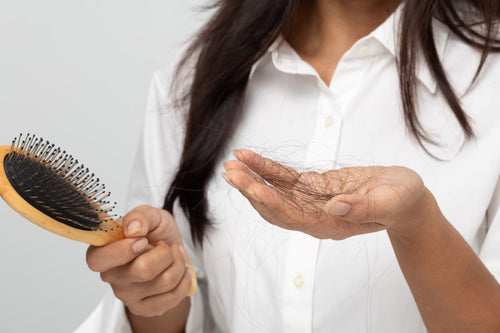
- Increased shedding
- Sensitivity or inflammation
These visible changes are not simply cosmetic concerns. They are often reflections of deeper physiological stress signals.
That is why beauty that ignores stress rarely feels complete.
Increasingly, people are looking for products and rituals that help support the body — not just mask symptoms.
Why Botanical Rituals Are Having a Resurgence
Across cultures and centuries, plant-based rituals have been used to support balance and restoration.
Botanical oils, aromatic flowers, herbs, and teas were historically part of daily self-care practices. These rituals were rarely rushed. They were sensory experiences designed to calm the body while nourishing the skin and hair.
Today, we are rediscovering the value of these practices. Plants contain complex arrays of antioxidants, phytonutrients, and aromatic compounds.
When used thoughtfully, they can support both physical care and sensory calm.
This is why botanical rituals feel different from purely functional products. They engage the senses — scent, touch, texture — and transform care into an experience.
The Nervous System Connection
One of the most overlooked aspects of beauty care is the nervous system.
Our bodies respond constantly to signals of stress and safety. When the nervous system is under prolonged strain, it can influence inflammation, circulation, and the body’s ability to repair itself.
Rituals — even small ones — can interrupt that cycle.

Why Sensory Rituals Matter
Simple sensory cues can help signal the body to shift into a calmer state. Examples include:
- Aromatic botanicals like neroli or rose
- Gentle massage of the scalp or skin
- Warm water and steam
- Slow breathing during self-care
These moments may seem small, but repeated consistently they create space for restoration.
Beauty rituals become less about appearance alone and more about resilience.
For a practical and easy approach to ritual, explore our 5-minute ritual designed to support a stressed scalp.
From Products to Practices
A product by itself rarely creates change. What matters is how it is used.
When a beauty product becomes part of a ritual — applied slowly, with intention — it transforms from a simple formula into a practice of care.
A few minutes of scalp massage.
A calming scent that signals the day is ending.
A quiet moment before sleep.
These small practices help create rhythm in a world that rarely pauses.
And over time, those rhythms matter.
The Future of Stress-Defense Beauty
At Bloomballa, we believe beauty and stress are deeply connected.
The way we care for our hair, skin, and bodies is also a way we care for our nervous systems.
This belief shapes how we formulate our products — from adaptogenic botanicals to slow infusion processes that honor the complexity of plants.
But it also shapes something bigger: the idea that beauty should help restore balance, not simply add another step to a busy day.

Creating Your Own Stress-Defense Ritual
A beauty ritual does not need to be elaborate. In fact, the most effective ones are often simple and repeatable.
You might begin with:
- A few minutes of scalp or skin massage
- Aromatic botanicals that encourage calm
- Slowing your breathing while applying a product
- Creating a consistent evening wind-down practice
Over time, these moments of care accumulate.
And in a world that constantly asks us to move faster, choosing to slow down may be one of the most powerful rituals we have.
Stay Connected
We regularly share insights on stress, botanicals, and beauty rituals designed to support the body — not just the surface.
If you’d like to explore more of this philosophy, join our community.
Sign up for our email list to receive new articles, rituals, and botanical insights.